

The Power of Singing Lessons: How Finding Your Voice Unlocks Creativity and Confidence in Kids
Updated: 2 days ago
Why Singing Lessons Are More Than Just Music
Singing is one of the most personal and expressive forms of music a child can explore. Unlike instruments, the voice is uniquely tied to our identity. It is the first instrument we ever have and the most natural way to convey emotion. For children, learning to sing under proper guidance builds far more than musical skill; it nurtures emotional intelligence, self-expression, confidence, and creativity.
In the San Fernando Valley, parents are increasingly recognizing the value of voice lessons at MozArt Music Academy. Singing lessons provide children with a structured yet joyful environment where they can discover the unique color of their own voice while developing skills that benefit every area of life.
The Cognitive and Emotional Benefits of Singing

Singing engages multiple areas of the brain simultaneously, making it a powerful cognitive workout. Studies have shown that children who participate in music programs involving singing demonstrate enhanced auditory processing, memory, and pattern recognition. Unlike playing an instrument that requires extensive hand-eye coordination, singing emphasizes breath control, pitch recognition, and auditory awareness; skills that are critical for both music and language development.
Emotionally, singing allows children to connect with their feelings and communicate them safely. Music psychologists suggest that singing provides a unique channel for processing emotions, reducing stress, and boosting mood. When children sing regularly, they learn how to convey joy, excitement, sadness, or empathy through their voice, building emotional intelligence that carries over into social and academic interactions.
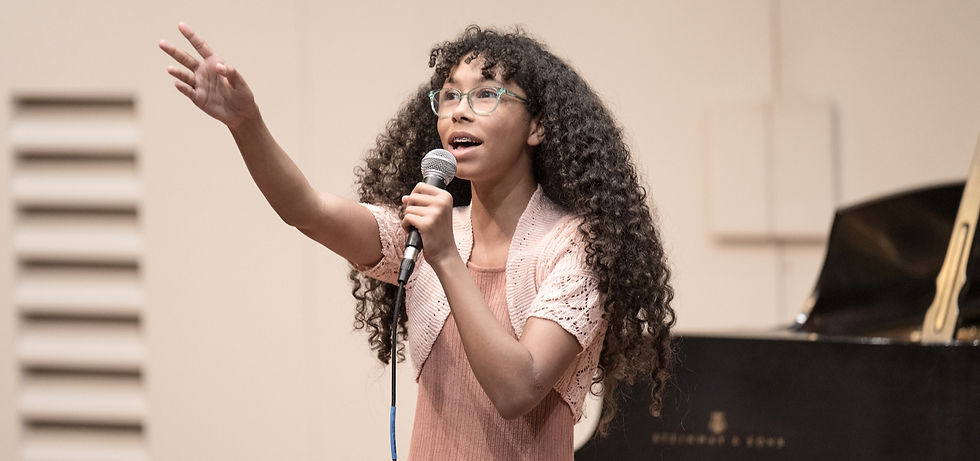
Singing also strengthens self-confidence. Using the voice publicly—whether in a classroom, recital, or small group setting—encourages children to overcome stage fright and trust their abilities. Children often feel an incredible sense of accomplishment as they progress from singing simple melodies to performing more challenging pieces, nurturing resilience and a growth mindset.
How Voice Lessons Build Essential Musical Skills
A structured singing program teaches far more than hitting the right notes. Voice lessons help children develop pitch accuracy, breath control, phrasing, diction, and expressive techniques. These skills require attentive listening and disciplined practice, which naturally enhance concentration and focus.
Research from the Journal of Research in Music Education shows that students who receive vocal instruction demonstrate improved aural skills compared to peers without musical training. Developing the ear through singing also creates a foundation for learning other instruments later, as students gain a strong understanding of melody, harmony, and musical structure.
Breath control and posture are additional benefits. Proper singing technique teaches children to breathe efficiently, expand lung capacity, and maintain physical awareness, which positively affects speech clarity and even athletic performance. Parents often notice that students who take voice lessons improve in public speaking, reading aloud, and general communication skills.
Creativity Through Personalized Expression

One of the most rewarding aspects of voice lessons is that each child learns to develop their own vocal identity. Unlike pre-recorded tracks or sheet music, singing allows for endless interpretation, phrasing, and style. MozArt Music Academy encourages students to explore improvisation, personal interpretation, and songwriting, which helps them express their individuality and creativity.
Creative expression through singing is not only fun, but it nurtures problem-solving and cognitive flexibility. When children experiment with melodies, rhythms, or lyrics, they are exercising the same creative muscles that support innovative thinking in academics, arts, and everyday life.
The Social Benefits of Singing Lessons
Singing is inherently social. Even solo lessons often lead to ensemble opportunities, duets, choir participation, and group performances. These experiences teach children how to listen, blend, and support others musically. Children who participate in group singing also develop empathy, patience, and teamwork skills.
According to a study from Cambridge University, children involved in musical group activities, including singing, showed higher emotional intelligence scores and stronger social cohesion than children without musical experience. Singing in groups creates a sense of belonging and shared achievement, which is particularly beneficial for children navigating friendships and peer interactions.
Performance as a Tool for Growth
Recitals and public performances are a critical part of vocal training. Performing provides children with tangible goals, motivation to practice, and the opportunity to celebrate accomplishments. While online tutorials can teach technique, in-person performances allow for nuanced instruction, real-time feedback, and the invaluable experience of connecting with an audience.
At MozArt Music Academy, students participate in both small studio performances and larger recitals. These experiences build confidence, refine stage presence, and instill pride in consistent effort. Over time, children develop poise, adaptability, and resilience, learning that mistakes are part of the growth process.

The Lifelong Benefits of Learning to Sing
Voice lessons offer benefits that extend far beyond childhood. Children who develop strong vocal skills gain tools for lifelong creative expression. Singing also supports emotional wellness throughout life, providing a natural outlet for stress and a vehicle for joy. Many studies have highlighted that adults who sing regularly, especially those who began in childhood, demonstrate enhanced mental health, social connection, and even immune response.
Starting voice lessons early in life provides a head start in musical literacy, cognitive development, and emotional intelligence. For parents in the San Fernando Valley, voice lessons at MozArt Music Academy offer a safe, structured, and inspiring environment where children can flourish musically, socially, and emotionally.
Conclusion
Singing lessons are far more than an extracurricular activity. They are a transformative educational experience. Children develop their own unique voice, strengthen cognitive and auditory skills, express emotions creatively, and gain confidence through performance. As families prepare for a new year, starting voice lessons offers children an opportunity to explore their musical potential while cultivating lifelong skills.

At MozArt Music Academy, our expert instructors guide each child with personalized attention, blending music theory, technical skill, and expressive artistry. Through vocal lessons, children discover the power of music to inspire, connect, and empower.
Ready to book your free trial voice lesson? Contact us and we’ll find you the best voice teacher to get your musical journey started!


Comments